LMNT Alternatives: 8 Electrolyte Powders Compared by Formula (2026 Guide)
LMNT alternatives are electrolyte powders that match or improve on LMNT’s high-sodium formula at a lower price or with added recovery ingredients. The best LMNT alternative depends on what you’re using electrolytes for. For daily gym use, look for a moderate sodium dose (500-800mg) plus recovery ingredients. For keto, fasting, or hot-weather training, look for 800-1,000mg of sodium with no sugar. For endurance cardio, look for added glucose to boost sodium absorption.
Here are 8 LMNT alternatives compared on the formula data that actually matters: sodium dose, sodium-to-potassium ratio, magnesium form, sugar content, and price per serving.
Quick picks
- Best for daily gym use: Stigma Hydration & Performance (500mg sodium plus taurine, glutamine, B-vitamins)
- Best for endurance athletes: Liquid IV (520mg sodium with glucose for ORS-style absorption)
- Best direct LMNT swap: Element / Re-Lyte (810mg sodium, similar formula, slightly cheaper)
- Best zero-sugar pick: LMNT, Stigma, or Transparent Labs Hydrate
- Best budget option: Nuun Sport (around $0.70 per tablet)
Why people search for LMNT alternatives
LMNT’s formula is straightforward: 1,000mg sodium, 200mg potassium, 60mg magnesium per stick, no sugar. The science behind that high sodium dose is real for specific use cases. Athletes can lose between 200mg and 2,000mg of sodium per liter of sweat, with American football players averaging ~1,149mg per hour during practice, according to a 2019 normative data study published in the Journal of Sports Sciences.
The problem is most people buying LMNT aren’t football players in summer two-a-days. They’re a desk worker who started intermittent fasting or a casual lifter who heard a podcast. For those people, four common reasons drive the search for alternatives:
Price. LMNT retails around $1.30 to $1.50 per stick, or $2.75 per serving at some Canadian retailers. Daily use runs $40 to $90 per month.
Salt overload. 1,000mg of sodium is 43% of the FDA’s daily limit per stick. For anyone not training in heat or doing keto, two sticks puts you near the ceiling before food.
No added recovery ingredients. LMNT is intentionally minimal. That’s a feature for purists, a downside for anyone who wants taurine, glutamine, or B-vitamins in the same scoop.
Flavor fatigue. Citrus salt every morning gets old.
If any of those apply, here are the 8 alternatives worth comparing.
The 8 LMNT alternatives, compared
Each product is scored on four things that matter: sodium dose, sodium-to-potassium ratio, magnesium form (oxide is poorly absorbed; citrate, glycinate, and malate are better), and price per serving.
| # | Product | Sodium | Potassium | Magnesium | Sugar | Price/serving |
|---|---|---|---|---|---|---|
| 1 | Liquid IV Hydration Multiplier | 520mg | 370mg | 0mg | 11g | ~$1.30 |
| 2 | Stigma Hydration & Performance | 500mg | 800mg | dual-source (oxide + citrate) | 0g | ~$0.6 |
| 3 | Transparent Labs Hydrate | ~1,000mg | varies | Aquamin (algae-sourced) | 0g | ~$1.20 |
| 4 | Nuun Sport | 300mg | 150mg | 25mg (oxide) | 1g | ~$0.70 |
| 5 | Drip Drop | ~330mg | ~185mg | n/a | 7g | ~$1.20 |
| 6 | Ultima Replenisher | ~55mg | 250mg | yes | 0g | ~$0.50 |
| 7 | Element (Re-Lyte) | 810mg | 400mg | 60mg | 0g | ~$1.10 |
| 8 | Cure Hydration | 240mg | yes | n/a | 4g | ~$1.17 |
| ref | LMNT (reference) | 1,000mg | 200mg | 60mg (malate) | 0g | ~$1.30-$1.50 |
1. Liquid IV Hydration Multiplier
Formula: 520mg sodium, 370mg potassium, 11g sugar, plus B-vitamins and vitamin C per stick. Best for: Endurance athletes, post-workout recovery, hangover situations.
Liquid IV uses Oral Rehydration Solution (ORS) science, where the glucose-to-electrolyte ratio enhances sodium absorption in the intestine. The sugar isn’t filler. It’s a sodium transport mechanism.
The trade-off is 11 grams of sugar per stick. If you’re fasting or watching carbs, this is the wrong pick. If you’re a runner burning glycogen, it’s actually built for that.
The honest take: Strong for endurance, bad for daily desk hydration.
2. Stigma Hydration & Performance
Formula: 500mg sodium citrate, 800mg potassium chloride, dual-source magnesium (oxide + citrate), 2g coconut powder, 1g taurine, 1g glutamine, 78mg vitamin C, 100% daily value B12, 10mg niacin, calcium. (Full label →) Best for: Lifters who want hydration plus recovery support in one scoop.
This is our own product, so take the placement with a grain of salt. Here’s the honest case:
The sodium dose is half of LMNT, which sounds like a downside until you realize most people don’t need 1,000mg per drink. For a typical 60-minute gym session, 500mg is closer to what you actually lose. The 4:5 sodium-to-potassium ratio is also more balanced for daily use than LMNT’s 5:1.
What sets Stigma apart from LMNT specifically is what’s added on top of the electrolytes:
- Taurine (1g): Supports cellular hydration
- Glutamine (1g): Supports recovery
- Coconut powder (2g): Natural potassium source, helps with taste
- B12 + niacin: Energy metabolism
- Dual magnesium sources: Oxide for cost, citrate for bioavailability
The honest take: If you specifically need 1,000mg of sodium (keto, hot training, fasting), get LMNT or Re-Lyte. For daily gym use, this is the better pick.
3. Transparent Labs Hydrate
Formula: Sodium, potassium, calcium (TRAACS chelated), magnesium (Aquamin), taurine, coconut water powder. Best for: Buyers who care about ingredient form quality over total cost.
Transparent Labs uses TRAACS chelated calcium and Aquamin magnesium from red algae. Bioavailability matters: cheap electrolyte products use magnesium oxide, which the body absorbs poorly compared to chelated forms.
It’s also sugar-free and includes taurine. The downside is the price runs a bit above LMNT once you factor in shipping.
The honest take: Solid product. Good pick if ingredient form is your priority.
4. Nuun Sport
Formula: 300mg sodium, 150mg potassium, 25mg magnesium oxide, 13mg calcium, 40mg chloride, 1g sugar per tablet. Best for: Casual hydration, runners who don’t want a heavy salt hit.
Nuun is the budget pick. Tablets dissolve in water, taste fine, and cost about half what LMNT does.
The downside is the dose is genuinely small. 300mg sodium covers a moderate workout. It’s not enough for keto, hot-weather training, or anyone classified as a “salty sweater” (people who lose 1,500-2,000mg of sodium per liter of sweat). The magnesium dose is also low at 25mg, and the form is oxide, which is poorly absorbed.
The honest take: Solid daily-driver. Athletes need 2-3 tablets to match one LMNT, which kills the price advantage.
5. Drip Drop
Formula: ~330mg sodium, ~185mg potassium, 7g sugar. Best for: Illness recovery, dehydration situations, medical-style rehydration.
Drip Drop was designed around the WHO Oral Rehydration Solution formula, which is the gold standard for treating dehydration from illness. If you’ve ever been sick and dehydrated, this is the one to grab.
The honest take: Niche use case. Great when needed. Overkill and too sweet for daily gym use.
6. Ultima Replenisher
Formula: ~55mg sodium, 250mg potassium, plus magnesium, calcium, phosphorus, chloride, zero sugar. Best for: Light hydration, zero-sugar diets, taste over performance.
Ultima takes the opposite approach to LMNT: low sodium, more variety in trace minerals, no calories.
If you’re a desk worker who wants water to taste like something while getting a bit of electrolyte support, this works. For athletic performance or fasting, the sodium is too low to do meaningful work.
The honest take: Good for desk hydration. Not enough for serious training.
7. Element (Re-Lyte)
Formula: 810mg sodium, 400mg potassium, 60mg magnesium, plus trace minerals from Redmond Real Salt. Best for: LMNT users who want a similar dose at a slightly better price.
Re-Lyte is the closest direct competitor to LMNT by formula. Sodium is a bit lower, potassium is double, and they include trace minerals from real salt.
The honest take: If you need LMNT’s dose but want options, this is the most direct swap.
8. Cure Hydration
Formula: 240mg sodium, coconut water powder, pink Himalayan salt, 4g sugar from organic coconut water. Best for: Light hydration with clean ingredients.
Cure leans into the “natural” angle with coconut water as the base. The 4g of sugar from organic coconut water helps with sodium absorption.
The honest take: Cleaner ingredient deck than most. Way underdosed on sodium for anyone training hard.
How sweat rate and sweat sodium change the math
This is the section every electrolyte article skips. The right product depends on two numbers you probably don’t know about your own body: how much you sweat per hour and how salty your sweat is.
Research published in the Journal of Sports Sciences (2019) gives the ranges:
- Whole-body sweating rate: 0.5 to 2.0 L per hour, varying by sport, climate, and body size
- Sweat sodium concentration: 10 to 90 mmol/L, with 30-50 mmol/L being typical for endurance athletes
- Sodium losses per hour: Soccer players average ~34mmol/h (~782mg), American football players average ~56mmol/h (~1,288mg)
A few tells that you’re a salty sweater (high sodium loss):
- White residue on your shirt or face after training
- Sweat that tastes noticeably salty
- Eyes that sting when sweat runs into them
- Hair that feels stiff or “crunchy” after a long session
If two or more apply, you probably lose 1,500mg+ of sodium per liter of sweat and a heavy-dose product (LMNT, Re-Lyte, or a double-scoop of Stigma) makes sense.
If none apply, you’re probably a low-to-moderate sodium loser and a 300-500mg product is fine.
How to actually pick one
Forget rankings for a second. The right pick depends on what you’re doing.
Keto, fasting, or feel awful from sodium loss: LMNT, Stigma (double scoop), or Re-Lyte. Anything under 500mg of sodium wastes your time.
Casual lifter, 3-4 sessions a week: Stigma for the recovery ingredients, Transparent Labs for ingredient form, or Nuun for budget.
Runner or endurance athlete: Liquid IV for the sugar-glucose absorption, or LMNT if you’re a heavy salt loser. Stigma works for shorter sessions where you want recovery support in one scoop.
Desk worker who wants better-tasting water: Ultima or Nuun. You don’t need a heavy formula.
Sick or genuinely dehydrated: Drip Drop. It’s literally what it’s built for.
When you should skip electrolyte powders entirely
A few situations where most people are wasting money on electrolytes:
Sedentary days under 80°F. Food covers your daily electrolyte needs. The average American eats over 3,400mg of sodium per day from food alone, well above the 2,300mg FDA limit. Adding electrolyte powders on a non-training day is just expensive water flavoring.
Short workouts under 45 minutes. Unless it’s hot enough that sweat is pouring off you, a 30-minute gym session doesn’t deplete your electrolytes enough to matter. Drink water and eat normally.
You already eat a high-sodium diet. If you eat restaurant food, deli meat, or processed snacks regularly, you’re getting sodium. Adding more isn’t a performance hack. For most Americans, sodium intake is the problem they’re trying to fix, not increase.
You have high blood pressure or kidney issues. Talk to your doctor before adding 500-1,000mg of sodium per day from supplements. This is YMYL territory and worth getting right.
The honest version is most people get marginal benefit from daily electrolytes. The marketing pretends everyone needs them every day. The truth is closer to: most people benefit during workouts, fasting, or hot weather, and food handles the rest.
What to ignore in electrolyte marketing
Every brand in this space oversells. Including us.
“Triple the electrolytes of leading sports drinks.” Sports drinks are designed for a 90-minute soccer game, not for marathon runners or keto dieters. Comparing to Gatorade is the supplement industry’s favorite straw man.
“Cellular hydration technology.” Sometimes legit (Liquid IV’s ORS science is real, backed by decades of WHO research). Sometimes marketing. Read the ingredient list.
“Made with real coconut water.” Coconut water is fine. It’s not magic. 2g of coconut powder is mostly there for taste and a small potassium bump. Don’t pay extra for it.
“5+ essential electrolytes!” The big three are sodium, potassium, and magnesium. Calcium and chloride are nice but you get plenty from food. Counting “5 essential electrolytes” is marketing math.
The honest pros and cons of LMNT
Since this article exists because of LMNT, here’s a fair shake on the original.
What LMNT gets right:
- The 1,000mg sodium dose is genuinely high enough to matter for keto, fasting, and heavy sweat replacement
- Zero sugar makes it fasting and keto compatible
- Clean ingredient deck (sodium chloride, magnesium malate, potassium chloride, plus natural flavor)
- The Salty Science blog is one of the best in the supplement industry, which builds real trust
- Magnesium malate is more bioavailable than the magnesium oxide most competitors use
Where LMNT falls short:
- Price per serving runs $1.30 to $1.50
- No added recovery or performance ingredients
- 1,000mg of sodium isn’t right for everyone
- 60mg of magnesium is only 14% of the RDA
LMNT isn’t bad. It’s over-prescribed. Many people bought into the “more salt, not less” pitch without actually being low-carb, fasting, or training in heat. If that’s you, a moderate-dose alternative will probably feel better.
How much sodium do you actually need?
This is the question that should drive your pick, not the brand.
- Sedentary day: No supplementation needed. Food covers it.
- Moderate workout (45-60 min, room temperature): 300-500mg replacement is plenty.
- Hard training, hot weather, or 90+ min sessions: 500-1,000mg makes sense.
- Keto, fasting, or “salty sweater”: 1,000mg+ is realistic.
The American College of Sports Medicine recommends 300-700mg of sodium per liter of fluid consumed during exercise lasting longer than one hour. For most gym sessions, that lands at the lower end.
The magnesium issue nobody talks about
More than half of the US population fails to meet the recommended dietary allowance for magnesium, leading to an estimated ~15% prevalence of magnesium deficiency, according to NHANES data published in 2024.
LMNT contains 60mg of magnesium. The RDA for adult men is 400-420mg per day, and for women 310-320mg. That means LMNT covers about 14-19% of daily needs, which is fine if you eat magnesium-rich food (leafy greens, nuts, seeds, dark chocolate). It’s not fine if your diet is low in those foods.
A few things to know:
- Form matters more than amount. Magnesium oxide is the cheapest form and the worst absorbed. Citrate, glycinate, and malate are better.
- If you supplement magnesium separately, don’t pay extra for electrolyte products marketing their magnesium content
- If you don’t supplement separately, look for an electrolyte product with at least one bioavailable form (citrate or malate). Stigma uses both oxide and citrate. LMNT uses malate.
Final pick by use case
| Use case | Best pick | Why |
|---|---|---|
| Daily gym + recovery | Stigma Hydration | Added taurine, glutamine, B-vitamins, dual magnesium |
| Keto / fasting / heavy salt loss | LMNT or Re-Lyte | Highest sodium dose |
| Endurance / long cardio | Liquid IV | Glucose-electrolyte absorption science |
| Premium ingredient form | Transparent Labs Hydrate | Chelated minerals, Aquamin |
| Casual / desk hydration | Nuun or Ultima | Lower cost, lighter formula |
| Sick or seriously dehydrated | Drip Drop | Medical-grade ORS formula |
| Cheapest decent option | Nuun Sport | Around $0.70 per serving |
The honest summary: LMNT is one of the best products in this category, but it’s not the right pick for most people who buy it. Pick based on your actual training and diet, not the loudest marketing.
Frequently asked questions
Is there a cheaper alternative to LMNT? Yes. Nuun Sport runs around $0.70 per tablet and Ultima Replenisher is around $0.50 per stick. Both are lower-dose, so they suit casual hydration rather than heavy training or keto.
What is the closest thing to LMNT? Element (Re-Lyte) has the closest formula by sodium dose at 810mg vs LMNT’s 1,000mg. Stigma Hydration matches LMNT’s ingredient transparency but uses a moderate sodium dose plus added recovery ingredients.
Can I make my own LMNT at home? Yes. Mix 2,500mg sodium chloride (table salt), 385mg potassium chloride (sold as “lite salt” or “No Salt”), and 390mg magnesium malate in 16-32 oz of water. LMNT publishes this recipe themselves. The downside is taste, dissolution, and inconsistency vs. a pre-mixed product.
Does LMNT actually work? For its target use case (keto, fasting, hot-weather training, heavy sweat loss), yes. The 1,000mg sodium dose is backed by sweat-loss research showing American football players lose around 1,149mg of sodium per hour. For casual gym use, it’s overkill and most people don’t notice the difference vs a moderate-dose alternative.
Is LMNT worth the price? At $1.30 to $1.50 per stick, LMNT runs at the high end of the category. Worth it if you need the high sodium and want a clean ingredient deck. Not worth it if you’re a casual user who’d be fine with a lower dose.
Can you drink LMNT every day? For most healthy adults, yes. Each stick contains 1,000mg of sodium, which is 43% of the FDA’s daily limit. Two sticks puts you near the ceiling before any food. People with high blood pressure, kidney issues, or on medications affecting sodium should talk to a doctor first.
Is Liquid IV better than LMNT? They’re built for different things. Liquid IV has more potassium (370mg) and uses sugar to boost absorption, which makes it better for endurance athletes and post-workout. LMNT has nearly double the sodium (1,000mg) and zero sugar, which makes it better for keto, fasting, and heavy sweat replacement. Not better or worse, just different use cases.
What is the healthiest electrolyte powder? “Healthiest” depends on your context. For most active adults, look for: zero added sugar, at least 500mg sodium, balanced potassium (300-800mg), bioavailable magnesium (citrate, malate, or glycinate), no artificial colors, and third-party tested. Stigma, LMNT, Transparent Labs, and Re-Lyte all meet most of these criteria.
Keep reading
If you’re dialing in your supplement stack, these are worth a look next:
- Stigma Hydration & Performance: Our take on a fully-dosed electrolyte powder with added recovery ingredients
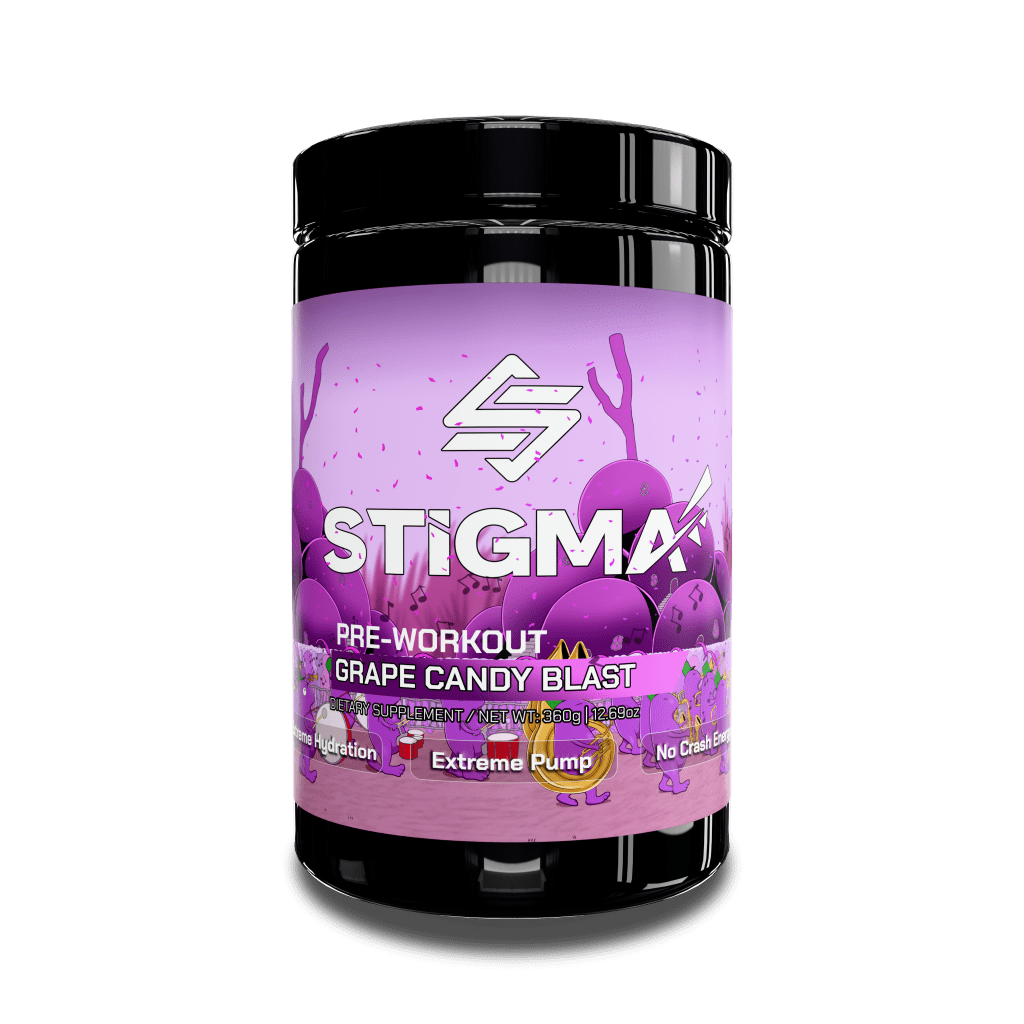
- Stigma Pre-Workout: 8g citrulline, 325mg caffeine, fully transparent label for serious lifters
- Stigma Whey Protein Isolate: 25g premium isolate with MCTs for clean recovery
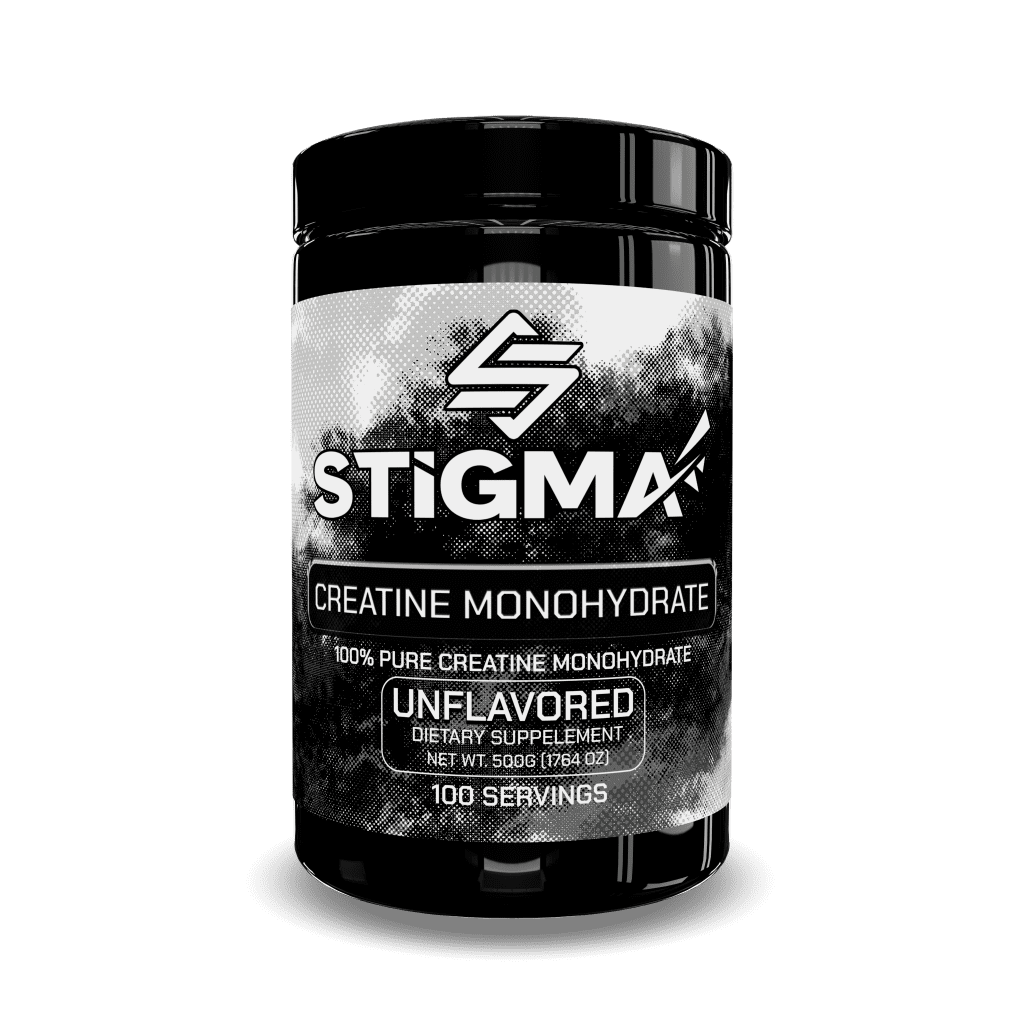
- Stigma Creatine Monohydrate: 100% pure creatine, 100 servings, unflavored
- Coming soon: Do Electrolytes Break a Fast? (a research-backed answer)
- Coming soon: Electrolytes for Keto Flu: The Sodium/Potassium/Magnesium Protocol
Sources and references
- Baker, L. B., et al. (2019). “Normative data for sweating rate, sweat sodium concentration, and sweat sodium loss in athletes: An update and analysis by sport.” Journal of Sports Sciences. tandfonline.com
- Baker, L. B. (2017). “Sweating Rate and Sweat Sodium Concentration in Athletes: A Review of Methodology and Intra/Interindividual Variability.” Sports Medicine. PMC5371639
- Ranchordas, M. K., et al. (2017). “Normative data on regional sweat-sodium concentrations of professional male team-sport athletes.” PMC5661918
- NHANES analysis (2024). “Magnesium Depletion Score and Metabolic Syndrome in US Adults.” PMC11570370
- American College of Sports Medicine. Position Stand on Exercise and Fluid Replacement.
- LMNT Science. Electrolyte ratio explanation. science.drinklmnt.com
Stigma Supplements builds fully-dosed, transparent formulas for lifters, athletes, and gym-goers. Our Hydration & Performance formula is built for people who want electrolytes and recovery support without proprietary blends.
This article compares product formulas based on publicly available label data and brand information. Pricing reflects general retail ranges and may vary. The information provided is for educational purposes and is not medical advice. Consult your doctor before adding new supplements if you have kidney issues, high blood pressure, or are on medications affecting electrolyte balance.
Grab the Stack