Creatine Gummies vs Powder (Here’s What Actually Works)
The Short Answer on Creatine Gummies vs Powder
The creatine gummies vs powder question has a pretty simple answer for most people: creatine powder wins on price, research backing, and dose accuracy. Creatine monohydrate powder has been studied for decades, costs a fraction of what gummies cost per serving, and you know exactly what you’re getting in every scoop.
That said, creatine gummies can absolutely work if you pick the right brand. If you’ve tried powder before and it just didn’t stick, or you travel constantly and don’t want to haul a tub around, gummies are a legit option. You just have to be picky, because some gummy products on the market right now contain way less creatine than the label claims.
That’s the whole debate in two paragraphs. If you want the details on why, keep reading.
What Creatine Actually Does
Before we get deeper into the creatine gummies vs powder comparison, quick refresher on what creatine even is.
Creatine is a compound your body already makes on its own, mostly in your liver and kidneys. You also get small amounts from meat and fish. Your muscles store it and use it to produce quick energy during short, hard efforts like lifting, sprinting, or jumping.
Supplementing with creatine basically tops off those stores. When your muscles are fully loaded with creatine, you can squeeze out an extra rep, lift a little heavier, or recover between sets a bit faster. Over weeks and months, those tiny boosts add up to real gains in strength and muscle size.
The research on creatine is some of the most solid in all of sports nutrition. We’re talking hundreds of studies over multiple decades, with the International Society of Sports Nutrition confirming it’s safe and effective for healthy people [1]. The Cleveland Clinic also breaks down the basics in plain language if you want a medical-side view.
So the question isn’t whether creatine works. It’s which format delivers it best.
Show Image Alt text: Creatine powder scoop compared with creatine gummies showing dose difference
Creatine Powder: The 50-Year-Old Standard
When most people say “best creatine,” they mean creatine monohydrate powder. It’s been the gold standard since the 1990s, and nothing has dethroned it.
Why Creatine Powder Is Still the Default
The dose is easy and consistent. One scoop of creatine monohydrate powder is usually 5g, which is the dose that almost every study uses. You know exactly what you’re getting every time.
Creatine powder is cheap. A good tub of creatine monohydrate runs around $25 to $40 and lasts 60 to 90 days. That works out to roughly 30 to 60 cents per serving.
The research is overwhelming. Basically every benefit you’ve heard about creatine, including strength, muscle size, power output, brain function, and recovery, has been tested using creatine monohydrate powder. The other forms, including HCL, ethyl ester, and buffered creatine, have way less research behind them [2]. For a deep dive on the research, Examine.com’s creatine page is the gold standard.
It mixes into almost anything. Water, juice, protein shakes, oatmeal. Monohydrate is tasteless, so it disappears into whatever you put it in.
Fuel The Grind
Built for serious bodybuilders and athletes. Fully dosed. Fully transparent. No proprietary blends. No filler. Just supplements that actually work.

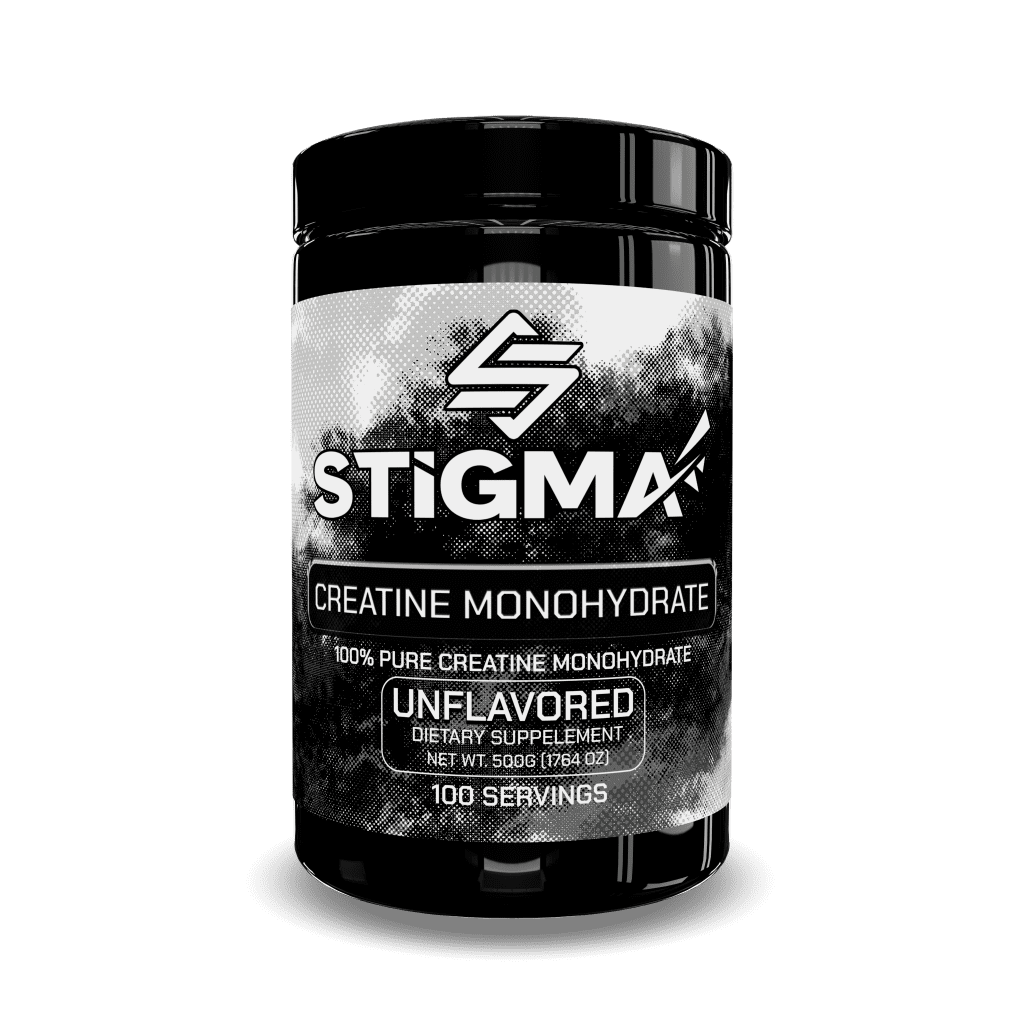
Stigma Creatine Monohydrate
Pure micronized creatine monohydrate. Third-party tested. Mixes clean into anything. 5g of the most researched form of creatine on the market.
Shop Creatine
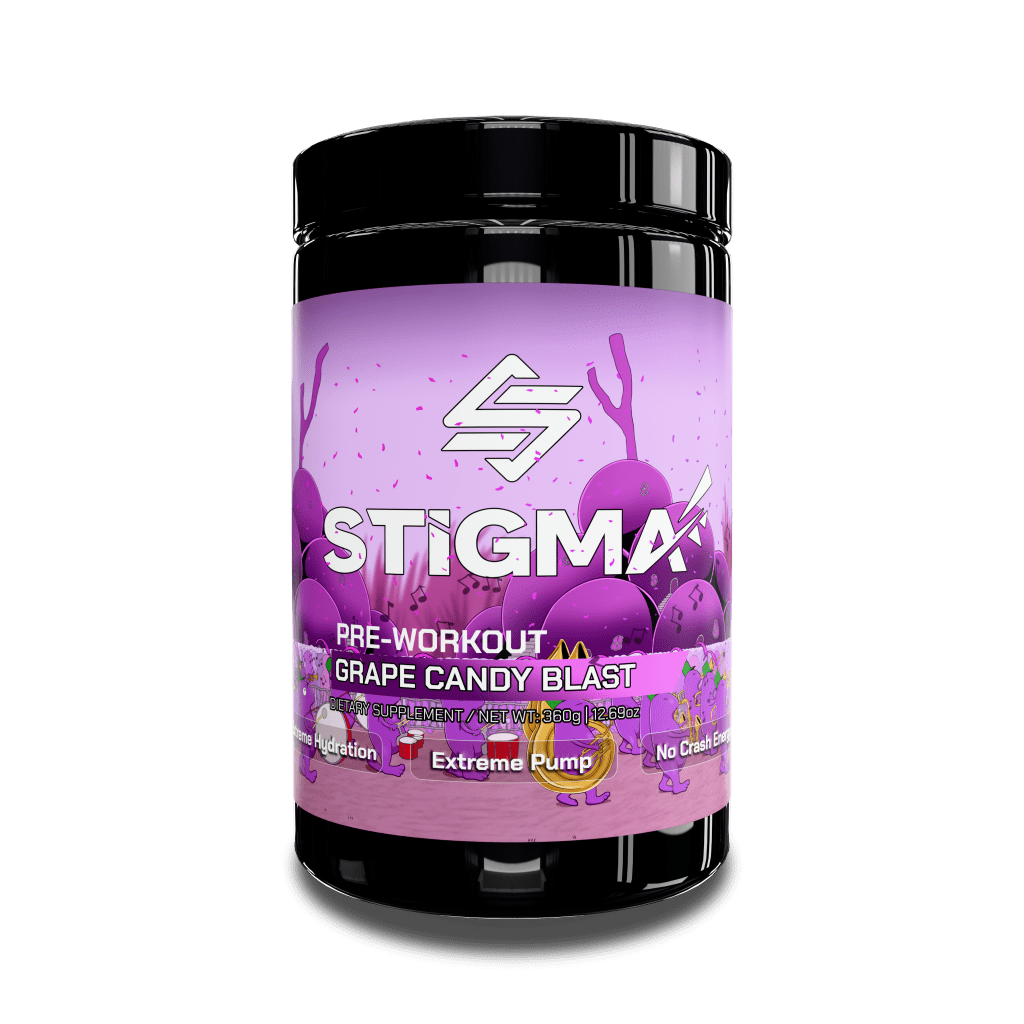
Pre-Workout
8g citrulline. Dual caffeine. Extreme pump, no crash.
Shop
Protein Isolate
25g protein per scoop. Low carb. Smooth mix.
Shop
Hydration
Full electrolyte profile for long training sessions.
ShopThe Downsides of Creatine Powder
It’s not perfect. Some people find the texture gritty in cold water. Others complain about mild stomach bloating when they first start, though this usually goes away within a week or two. And if you’re traveling, lugging around a full tub is a pain.
The biggest complaint we hear from people who switch to gummies is just that they forget to take their powder. Out of sight, out of mind. That’s a real issue, and it’s the main reason gummies even exist as a category.
Creatine Gummies: The New Kid on the Block
Creatine gummies exploded in 2024 and 2025. The search term “creatine gummies” went up more than 1,000 percent in about 18 months, according to Vitamin Shoppe trend data. You’ve probably seen ads for them on Instagram and TikTok.
The pitch is simple. Chewable, fruit-flavored, no mixing, feels like a treat. For a lot of people who never stuck with powder, that’s genuinely appealing.
What Creatine Gummies Actually Are
Most creatine gummies are small chewables containing creatine monohydrate mixed with gelatin or pectin, sugar or sweetener, and flavoring. A typical serving is 4 to 8 gummies to hit the standard 5g of creatine. Some brands use lower doses per serving and expect you to double up.
Where Creatine Gummies Can Win Over Powder
Taste and experience. If you genuinely dread your creatine scoop, gummies feel like candy. Compliance matters more than anything else with creatine, because it only works if you actually take it consistently for weeks.
Travel and convenience. You can toss a few gummies in your bag. No scoop, no shaker, no water required.
On-the-go use. Great for people who take their creatine at work, at the gym locker, or right before training instead of at home in the morning.
Show Image Alt text: Creatine gummies serving size compared to creatine powder daily dose
Are Creatine Gummies as Effective as Powder?
This is where the creatine gummies vs powder comparison gets messy, and where we have to be honest with you, because a lot of gummy brands won’t be.
In mid-2025, an independent testing group ran lab analysis on several popular creatine gummy brands sold on Amazon and through direct-to-consumer sites. The results were rough. Some products contained less than 25 percent of the creatine listed on the label. A few had almost no detectable creatine at all [3]. NSF International has flagged similar issues across the gummy supplement category more broadly.
This isn’t a knock on gummies as a concept. The issue is that making a stable creatine gummy is actually hard. Creatine breaks down when exposed to heat, moisture, and acidic environments, which are basically the conditions you need to make a gummy. Cutting corners on the manufacturing process leads to a product that technically has creatine in it on day one, but loses most of it before it reaches your mouth.
Creatine powder doesn’t have this problem. It’s shelf-stable for years and the dose on the label is almost always the dose in the tub.
So, are creatine gummies as effective as powder? They can be, but only if the brand has done the manufacturing work to make a stable product. That’s a big “if.”
How to Tell if a Creatine Gummy Brand Is Legit
Before you buy any creatine gummy, check for these three things:
- Third-party lab testing published on the website. Not “we test our products.” Actual Certificates of Analysis from an independent lab, with recent dates.
- The creatine amount per gummy AND per serving is clearly listed on the label.
- Reviews from people who have used the product for 30 days or more. Short-term reviews don’t catch degradation issues.
If a gummy brand is sketchy on any of these, walk away. Seriously. There are better options, and one of them is just plain creatine powder.
Creatine Gummies vs Powder: Cost Comparison
This is the part that surprises most people. Let’s break down what you’re actually paying per 5g dose, which is the standard daily amount.
| Format | Typical price | Servings per container | Cost per 5g serving |
|---|---|---|---|
| Creatine monohydrate powder | $30 for 400g | 80 servings | About $0.37 |
| Creatine gummies (average) | $30 for 60 gummies (8 per serving) | 7.5 servings | About $4.00 |
| Creatine capsules | $25 for 240 caps (6 caps per 5g) | 40 servings | About $0.63 |
Show Image Alt text: Creatine gummies vs powder cost per serving comparison chart
You’re looking at creatine gummies costing roughly 10 times more per gram than powder. Over a year of daily use, that’s the difference between spending about $135 versus about $1,460. For the exact same compound.
Unless you really, really hate powder, that math is hard to ignore.
When Creatine Gummies Actually Beat Powder
We don’t want to sound like we’re dumping on gummies. They have a legit place. Here’s when we’d actually tell a friend to pick gummies over powder:
- You’ve tried powder twice and gave up both times. Compliance beats everything. If gummies are the only way you’ll stick with creatine, they’re better than nothing.
- You travel constantly. Hotels, planes, camping trips, anywhere you don’t have access to a shaker and clean water.
- You have sensory issues with powder texture. Some people genuinely can’t handle the grit, and that’s fine.
- You’re giving creatine to a teenager or young adult athlete who will actually take gummies but sees a scoop as a chore. (Check with their doctor first.)
If you fall into one of those buckets, go for it. Just buy from a brand with published third-party testing.
For more on getting started with creatine in general, check out our guide on creatine HCL vs monohydrate (internal link, publish Article #2).
How to Take Creatine (Both Forms)
The rules are basically the same whether you pick powder or gummies.
Daily dose: 3 to 5 grams, every day. Consistency matters way more than timing.
Do you need to load? No. The old “20g per day for a week” loading phase works faster, but you’ll get to the same saturation level in about 3 to 4 weeks just by taking 5g a day. Skip the loading phase unless you have a specific reason to rush. Healthline has a solid breakdown of the loading phase research if you want more detail.
Best time to take it? Whenever you’ll actually remember. Some research suggests post-workout with a meal is slightly better than other times, but the difference is small [4]. Take it with breakfast, after the gym, before bed, whatever you’ll actually stick with.
Do you need to cycle off? Nope. Creatine isn’t a stimulant. You can take it year-round without issues for healthy adults.
Water? Drink plenty of water either way. Creatine pulls water into your muscle cells, which is part of why you gain a bit of weight in the first week or two. That’s not fat, it’s hydration inside your muscles. It’s a good thing. Pair your creatine with our Stigma Hydration formula for long training sessions.
Our Honest Pick Between Creatine Gummies vs Powder
Here’s where we could tell you the gummies we sell are the answer to everything. We’re not going to do that, because we don’t sell creatine gummies at Stigma. We make creatine monohydrate powder because the research, the cost, and the reliability all point the same direction.
For most people, we’d say start with plain creatine monohydrate powder. Mix it into your morning coffee, your protein shake, or just a glass of water. Take 5g a day. Give it 4 weeks. You’ll feel it in your training.
If you’ve tried powder before and it just didn’t stick, then yeah, give gummies a shot. But buy from a brand that publishes real lab tests, and budget for the fact that you’ll be paying a lot more per serving.
The worst choice is the one you don’t take. A cheap creatine you’ll actually use beats an expensive creatine sitting on your shelf, and an expensive creatine you’ll actually use beats a cheap creatine you forget about.
Ready to start? Check out Stigma Creatine Monohydrate or pair it with our Pre-Workout for training days.
Show Image Alt text: Stigma creatine monohydrate powder tub, better value than creatine gummies vs powder alternatives
FAQ: Creatine Gummies vs Powder
Are creatine gummies as effective as powder?
Creatine gummies can be as effective as powder, but only if the gummy actually contains the dose it claims on the label. Recent independent testing has found significant quality issues with several popular creatine gummy brands. If you pick a gummy from a brand with third-party lab testing that shows accurate creatine content, you should get similar results to powder.
Is creatine gummies or powder better?
For most people, creatine powder is the better choice in the creatine gummies vs powder debate because it’s cheaper, more reliable, and backed by more research. Gummies are better for people who won’t stick with powder for any reason, as long as they choose a third-party tested brand.
How many creatine gummies equal a scoop of powder?
It depends on the brand. Most creatine gummies contain between 0.6g and 1.25g of creatine per gummy, which means you need 4 to 8 gummies to match a single 5g scoop of powder. Always check the label.
Do creatine gummies work the same way as powder?
Yes, assuming the gummy actually contains the advertised creatine. Once the creatine enters your bloodstream, your body doesn’t care whether it came from a gummy, a capsule, or a powder. The creatine gummies vs powder question is really about whether the dose is accurate and stable in the product.
Are creatine pills as good as powder?
Creatine capsules work fine and have accurate doses. The only downsides are cost (slightly more expensive than powder) and the number of pills you need to swallow (usually 4 to 6 capsules for a 5g dose). If you hate powder but want to skip the sugar in gummies, capsules are a solid middle option.
What about creatine monohydrate pills vs powder specifically?
Same active ingredient, just different delivery. Capsules are more convenient and travel-friendly but cost more per serving. Powder is cheaper and gives you a precise dose every scoop. Both work.
Can you take creatine gummies and powder together?
You can, but you don’t need to. Your body has a limit to how much creatine it can store in muscle tissue. Once you hit saturation (usually after 3 to 4 weeks of daily 5g dosing), extra creatine just gets flushed out. Pick one format and stick with it.
Do creatine gummies have sugar?
Most of them do, usually 1 to 3 grams per serving. A few brands use sugar alcohols or stevia instead. If you’re tracking carbs or watching sugar intake, read the label carefully. A full 5g dose of gummies could add 10 to 20g of sugar to your day, which adds up.
References
- Kreider RB, Kalman DS, Antonio J, et al. International Society of Sports Nutrition position stand: safety and efficacy of creatine supplementation in exercise, sport, and medicine. J Int Soc Sports Nutr. 2017;14:18. https://jissn.biomedcentral.com/articles/10.1186/s12970-017-0173-z
- Jagim AR, Harty PS, Camic CL. Common ingredient profiles of multi-ingredient pre-workout supplements. Nutrients. 2019;11(2):254. https://pubmed.ncbi.nlm.nih.gov/30678328/
- [Placeholder for 2025 independent gummy testing report, confirm source before publishing. Garage Gym Reviews and Labdoor have both published similar analyses.]
- Antonio J, Ciccone V. The effects of pre versus post workout supplementation of creatine monohydrate on body composition and strength. J Int Soc Sports Nutr. 2013;10:36. https://pubmed.ncbi.nlm.nih.gov/23919405/
Editorial Note
This article was written by the Stigma team and fact-checked. We sell creatine monohydrate powder, and we’re upfront about that. We don’t sell gummies, so we have no reason to talk them up or trash them. Our goal here was to give you the honest picture on creatine gummies vs powder so you can pick the form that fits your life.
If you notice anything outdated or want to flag a correction, email us at [email protected] | We update this article as new research comes in.
Grab the Stack